
I. Introduction to Cryptocurrency Price Trends / Prices Are Falling
A. Overview of Cryptocurrency Market History
- Early Days of Bitcoin
Bitcoin, the first cryptocurrency, was created in 2008 by an anonymous individual or group known as Satoshi Nakamoto. Initially seen as a niche digital asset, Bitcoin attracted attention for its decentralized nature and its potential to circumvent traditional banking systems. In its early days, Bitcoin had minimal value, but as more people began to adopt it and its unique features gained recognition, its value soared, establishing it as the foundation of the cryptocurrency market. Why Is Crypto Down. - The Rise of Altcoins
Following Bitcoin’s success, thousands of alternative cryptocurrencies, or altcoins, emerged, each offering distinct characteristics and enhancements to Bitcoin’s technology. Altcoins like Ethereum, Litecoin, and Ripple brought innovations such as smart contracts, quicker transactions, and various consensus mechanisms. The emergence of these altcoins has played a significant role in diversifying and expanding the cryptocurrency ecosystem. - The Role of Market Sentiment
Fintech Cryptocurrencies, Cryptocurrency prices are often influenced by market sentiment, which can swing between optimism and fear. Positive developments, technological advancements, or clear regulatory guidance can lead to bullish trends, while negative events, such as regulatory crackdowns or security breaches, can cause market declines. Sentiment is crucial in shaping both short-term and long-term price movements.
B. How Market Trends Influence Cryptocurrency Prices
- Impact on Investors
Market trends play a crucial role in shaping investor behavior. When prices rise, they tend to attract new investors, while a decline can lead to panic selling. The inherent volatility of cryptocurrencies significantly affects investor sentiment, often resulting in substantial gains or losses over short timeframes. - Influence on the Financial Market
As cryptocurrencies become more widely accepted, their price fluctuations increasingly impact the broader financial markets. Institutional investors are becoming more active in this space, and significant price changes can influence global stock markets, commodities, and fiat currencies. - Long-term Implications for Blockchain Technology
The long-term trends in cryptocurrency prices also have implications for the evolution of blockchain technology. As the market matures, the emphasis may shift from speculative investments to practical uses, including decentralized finance (DeFi), supply chain management, and digital identity verification.
C. Purpose and Scope of the Article
- What to Expect
This article aims to give a thorough overview of the various factors that impact cryptocurrency price trends, such as market dynamics, regulatory changes, technological progress, and investor psychology. It seeks to provide useful insights for both novice and seasoned investors. - Key Questions Addressed
The article will tackle important questions like: What are the main factors that drive changes in cryptocurrency prices? How do market trends, regulatory shifts, and technological innovations influence the industry? What impact does investor behavior have on price fluctuations? - Structure of the Article
The article is organized into several sections: an introduction to cryptocurrency price trends, a look at the factors that affect price movements, an analysis of economic indicators, the role of behavioral economics in trading, case studies of recent price drops, and expert forecasts for the future of cryptocurrency.

II. Predicting Future Movements in the Crypto Market
A. Market Supply and Demand
- How Supply Affects Prices
The prices of cryptocurrencies are significantly impacted by the dynamics of supply and demand. A limited supply of coins, like Bitcoin’s cap of 21 million, often leads to scarcity, which can drive prices higher. On the other hand, an oversupply can result in lower prices. - The Role of Demand in Valuation
Demand is influenced by various factors, including investor interest, practical applications, and the public’s perception of cryptocurrencies. When demand rises, prices tend to increase, while a decrease in interest can lead to falling prices. Recognizing changes in demand is crucial for forecasting price trends. - The Impact of Market Speculation
Speculation plays a major role in the cryptocurrency market, where traders and investors make bets on future price changes. Speculative buying can lead to quick price surges, whereas speculative selling can result in sharp declines.
B. Regulatory Developments
- Government Regulations Across Regions
Around the globe, governments are crafting regulatory frameworks for cryptocurrencies. Nations such as the United States and China have implemented regulations that can either promote or hinder market growth, affecting investor confidence and price fluctuations. - Influence of Central Banks
The actions of central banks, including their monetary policies, interest rate decisions, and the introduction of central bank digital currencies (CBDCs), can impact cryptocurrency prices by either encouraging or limiting market expansion. - Legal Status of Cryptocurrencies Worldwide
The legal status of cryptocurrencies differs from one country to another. Some countries have welcomed digital assets, while others have banned them entirely. This evolving regulatory environment is crucial for determining the long-term value of cryptocurrencies.
C. Technological Innovations and Challenges
- Advances in Blockchain Technology
Ongoing developments in blockchain technology, particularly in areas like scalability, security, and interoperability, could significantly enhance the long-term value of certain cryptocurrencies. - Security Issues and Hacks
Incidents of security breaches, such as hacks on exchanges or weaknesses within blockchain networks, can erode trust in cryptocurrencies, resulting in price declines. Tackling these challenges is essential for sustaining market confidence. - Scalability Challenges and Solutions
Scalability continues to be a major hurdle for cryptocurrencies such as Bitcoin and Ethereum. Initiatives like the Lightning Network for Bitcoin and Ethereum’s shift to Ethereum 2.0 aim to enhance scalability and may positively influence prices in the future.

III. Economic Indicators Affecting Cryptocurrency Prices
A. Global Economic Conditions
- Inflation Rates and Currency Valuation
Cryptocurrencies are often viewed as a safeguard against inflation, particularly when traditional fiat currencies lose value. As inflation rates rise around the world, the interest in cryptocurrencies as an alternative store of value may grow, leading to increased prices. - Economic Crises and Their Impact
In times of economic crises, such as recessions or financial downturns, individuals may seek refuge in cryptocurrencies. However, the uncertainty that accompanies these crises can also result in price volatility as market participants respond to rapidly changing circumstances. - The Role of Interest Rates
The decisions made by central banks regarding interest rates can influence investors’ willingness to take risks. When interest rates are low, investors often look for higher returns in riskier assets like cryptocurrencies, whereas high interest rates can make traditional investments more appealing.
B. Cryptocurrency Market Volume and Liquidity
- Understanding Market Volume Dynamics
The amount of cryptocurrency traded on exchanges serves as a vital indicator of market activity. Increased trading volumes typically suggest greater liquidity, facilitating the buying and selling of assets without causing significant price changes. - The Importance of Liquidity in Trading
Liquidity is essential for maintaining price stability. Cryptocurrencies with low liquidity are more susceptible to sharp price fluctuations, as large trades can significantly affect market prices. - The Effects of Low Liquidity on Price Volatility
Low liquidity can worsen price volatility, as even minor transactions can lead to substantial price shifts. Investors should exercise caution when trading in markets characterized by low liquidity.
C. Community Sentiment on the Current Crypto Decline
- Correlation with Stock Market Trends
The stock market’s performance can significantly affect cryptocurrency prices, as investors often switch their attention between traditional and digital assets. When the stock market experiences a downturn, it may result in reduced confidence among investors in riskier assets like cryptocurrencies. - The Impact of Commodities Prices on Crypto
Commodities such as gold, oil, and other precious metals can indirectly influence cryptocurrency prices. Consequently, fluctuations in commodity prices may affect investor choices, especially for those looking for alternative stores of value. - Institutional Investments and Their Influence
Institutional investments are increasingly shaping the cryptocurrency market. Significant investments from organizations like hedge funds, pension funds, and public companies can lead to substantial shifts in market trends.

IV. Behavioral Economics in Cryptocurrency Trading
A. Investor Psychology
- Fear and Greed in Market Dynamics
Investor emotions, particularly fear and greed, play a significant role in shaping market trends. Fear can lead to panic selling, while greed often results in impulsive buying. By understanding these emotional drivers, investors can make more rational decisions. - The Role of Herd Behavior
Herd behavior is prevalent in the cryptocurrency market, where individuals tend to mimic the actions of others instead of relying on their own analysis. This phenomenon can result in price bubbles or abrupt crashes, as witnessed in previous cryptocurrency market fluctuations. - Cognitive Biases Impacting Decision-Making
Cognitive biases, such as overconfidence and anchoring, can skew investors’ judgment and decision-making processes. Being aware of these biases can help investors steer clear of poor investment choices, especially during volatile market conditions.
B. How Investor Behavior Affects Cryptocurrency
- The Role of News Outlets
News outlets are crucial in shaping public perception and influencing investor behavior. Both positive and negative news can lead to rapid price fluctuations, with investors often reacting quickly to breaking stories. - Social Media Trends and Viral Topics
Social media platforms can magnify market movements, as trending topics or viral discussions can trigger a wave of buying or selling. Sites like Twitter and Reddit have become key venues for cryptocurrency conversations, significantly affecting investor actions. - Impact of Influencers and Public Figures
Statements or endorsements from public figures and influencers can greatly sway cryptocurrency prices. For instance, tweets or remarks from individuals like Elon Musk have caused swift price changes in various cryptocurrencies.
C. Market Sentiment Analysis
- Tools for Measuring Sentiment
Sentiment analysis tools examine social media posts, news articles, and various online discussions to assess the overall mood of the market. These tools can offer valuable insights into potential future price movements based on the collective sentiment of participants. - Short-Term vs. Long-Term Sentiment Effects
Sentiment can influence the market in both the short and long term. While short-term sentiment may lead to quick price fluctuations, long-term sentiment is crucial for establishing the enduring value of cryptocurrencies. - Sentiment Data’s Predictive Value
By analyzing sentiment data, investors can better predict price trends. However, it’s important to remember that sentiment analysis isn’t infallible and should be combined with other technical and fundamental analysis methods to make well-informed investment choices.
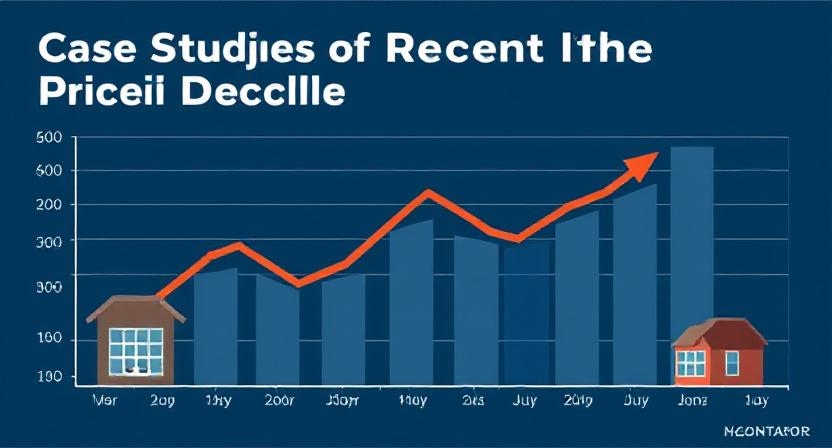
V. Case Studies of Recent Price Declines
A. Using Technical Analysis for Successful Crypto Trading
- Historical Crash Events
The bear market of 2017–2018 serves as a crucial example, offering insights into market cycles. By employing technical analysis, including chart patterns and various indicators, traders can pinpoint potential entry and exit points. - Causes Behind Each Notable Decline
Every major price drop in the history of cryptocurrency has stemmed from distinct causes, such as regulatory actions, market manipulation, or broader economic influences. Grasping these reasons is essential for forecasting future price trends. - Lessons Learned from These Cases
The declines of the past highlight the significance of diversification, the dangers of speculative investing, and the necessity for a long-term investment approach in unpredictable markets.
B. Current Trends and Their Implications
- Understanding Recent Price Drops
The latest declines in cryptocurrency prices may be linked to macroeconomic conditions, regulatory uncertainties, or changes in investor sentiment. Examining these elements can shed light on the market’s future trajectory. - Market Reactions to External Events
Significant external occurrences, like government regulations, major security breaches, or important technological advancements, can lead to abrupt price shifts. Recognizing these dynamics is vital for making well-informed investment choices. - The Future Outlook Based on Current Data
Given the current trends, the cryptocurrency market might experience a phase of consolidation or recovery, fueled by technological progress, clearer regulations, and a rise in institutional adoption.
C. Predictions and Speculations
- Expert Opinions on Future Pricing
Experts hold diverse views on the future of cryptocurrency prices. Some foresee substantial increases as adoption expands, while others caution against ongoing volatility and regulatory hurdles. - Potential Market Recovery Scenarios
Several scenarios could lead to market recovery, such as a rise in institutional investment, advancements in technology, or the broad adoption of blockchain technologies in practical applications. - Long-Term Viability of Cryptocurrencies
Although the future of cryptocurrencies is still uncertain, many are optimistic about their long-term potential as a game-changing technology. Nonetheless, issues like regulation, security, and scalability must be resolved for widespread acceptance to take place.
Conclusion
- A. Summary of Key Points
The cryptocurrency market is influenced by a variety of factors, such as supply and demand, technological advancements, regulatory changes, and investor sentiment. Grasping these elements is essential for forecasting future price movements. - B. Broader Implications for the Financial Landscape
The emergence of cryptocurrencies and blockchain technology could transform the global financial system, creating new avenues for decentralized finance and enhancing financial inclusion. - C. Final Thoughts on Cryptocurrency’s Future
Despite the current fluctuations, the long-term prospects for cryptocurrencies are promising, with opportunities for innovation, increased adoption, and integration into traditional finance.
Frequently Asked Questions (FAQs)
- A. What are the major reasons for the current decline in cryptocurrency prices?
The drop in cryptocurrency prices can be linked to several factors, including regulatory uncertainty, speculative trading, and broader economic conditions. - B. How can investors protect themselves during price fluctuations?
Investors can reduce risks by diversifying their portfolios, implementing stop-loss orders, and keeping up-to-date with market trends and regulatory developments. - C. Is it a good time to invest in cryptocurrencies given the price drops?
Determining whether it’s a good time to invest depends on personal risk tolerance and investment objectives. Some investors may view price declines as opportunities to buy, while others might prefer to wait for more stability. - D. How do regulations impact cryptocurrency prices?
Regulatory measures can affect cryptocurrency prices by either boosting investor confidence through clear guidelines or generating uncertainty that can lead to market declines. - E. What historical events can we learn from regarding price declines?
Events such as the 2017–2018 market crash and the 2020 COVID-19 pandemic provide important insights into market cycles, investor behavior, and the effects of external influences.
Related Keywords:
Why Is Crypto Down, Fintech Cryptocurrencies, Fintech Cryptocurrency, Cryptocurrency And Fintech, Fintech And Cryptocurrency, Why Is Crypto Down So Much, Why Is Crypto Down Reddit, Why Is Crypto Down On Weekends, Why Is Crypto Crashing And Will It Recover, Crypto News, What Is Going On With Crypto Today